Research
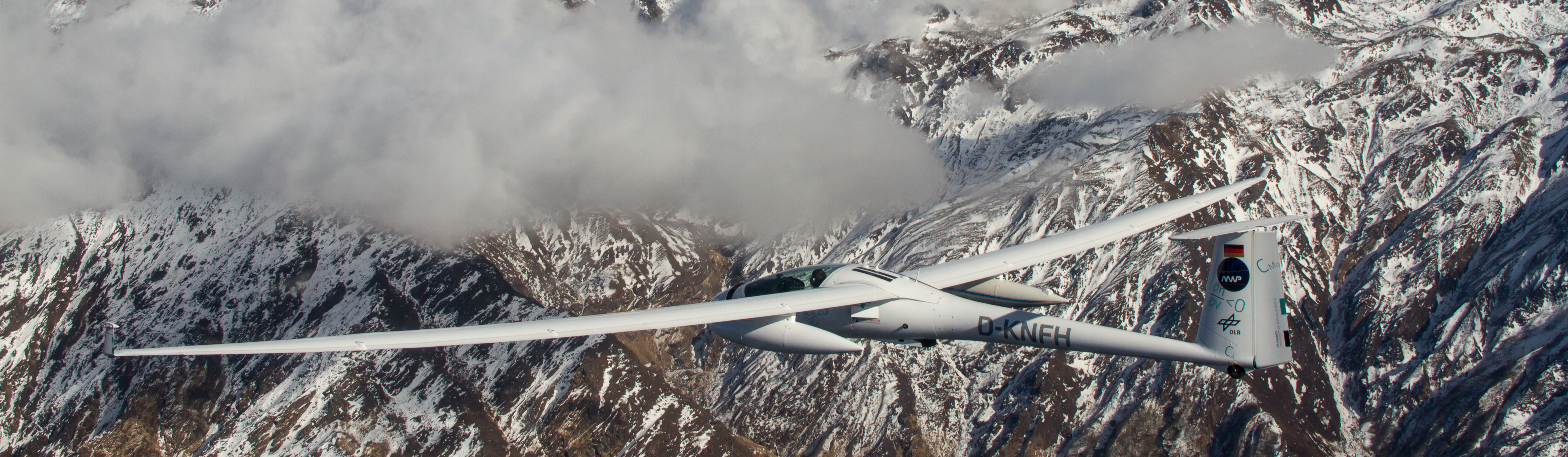
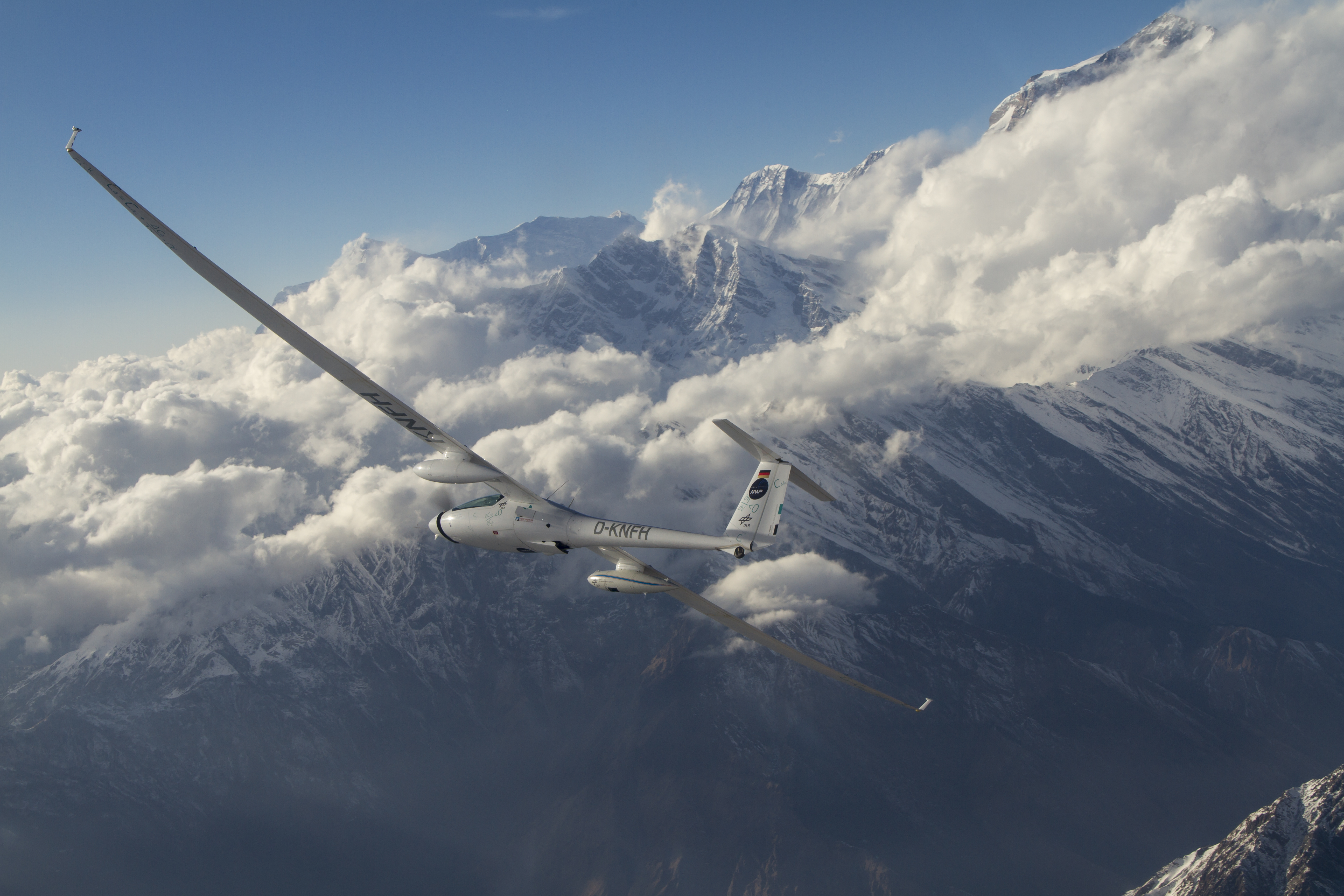
Onboard instrumentation collects temperature, pressure and turbulence data along real-world mountain-wave traverses — far from where weather balloons usually fly.
Non-profit research association
Mountain Wave Project e.V. studies lee waves and the upper atmosphere from the cockpit of a high-performance sailplane — combining glider expeditions with atmospheric science.
Live in June 2026
Minden, Nevada → Fairbanks, Alaska. A first-of-its-kind glider-based wave survey across the continent, in collaboration with the University of Alaska Fairbanks.
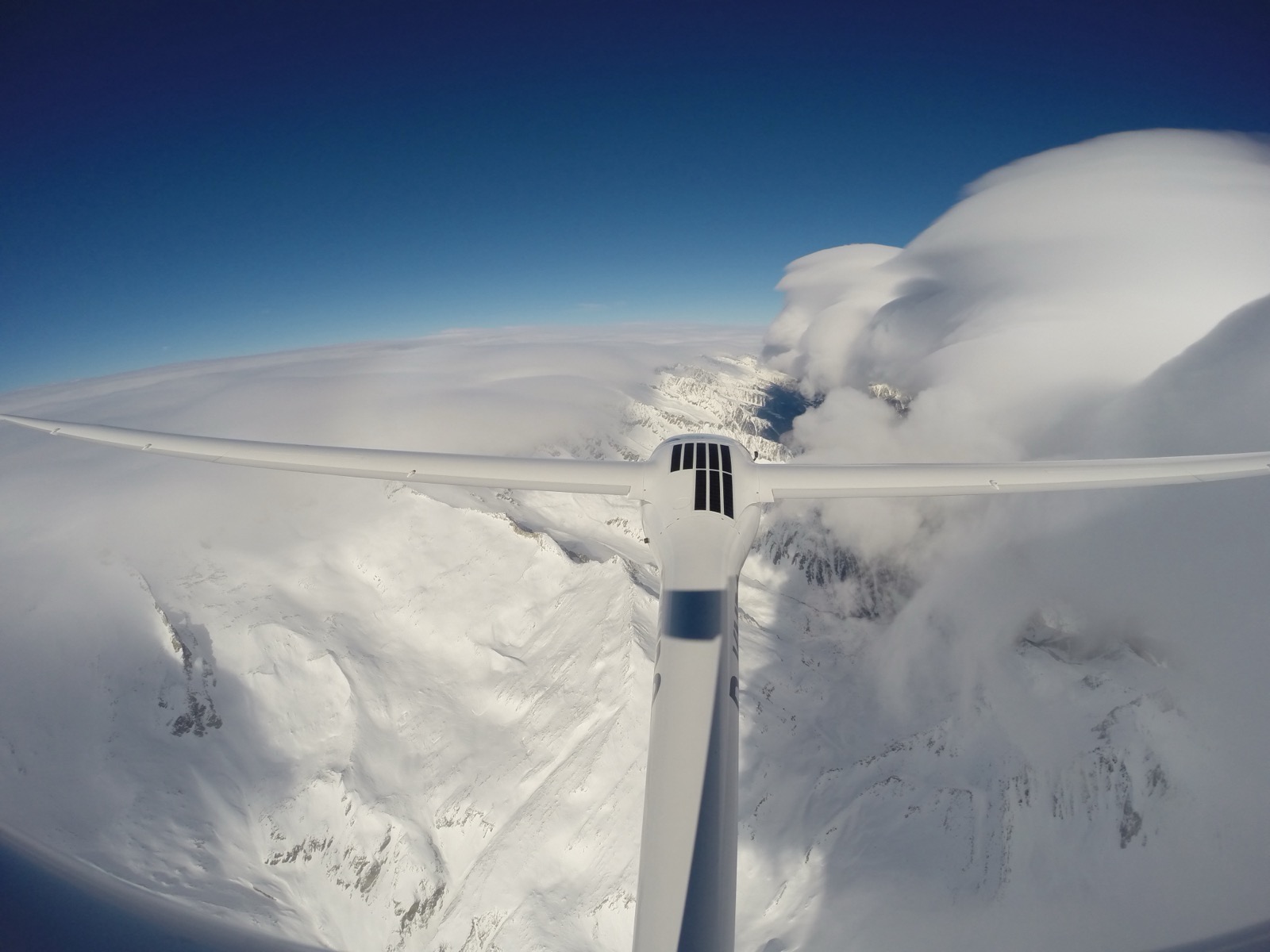
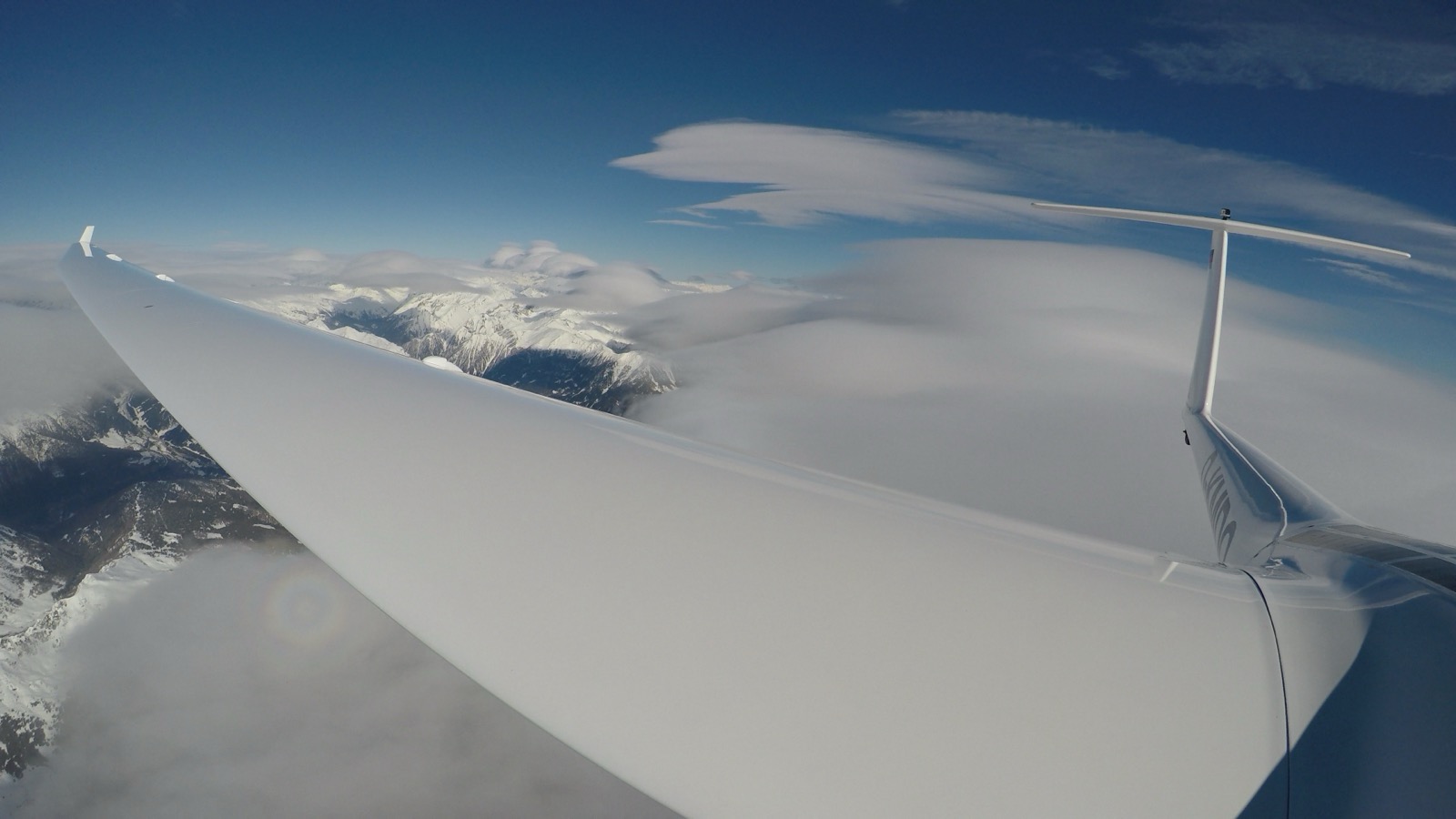
Mountain waves — lee waves forming downwind of major mountain ranges — can lift a sailplane tens of thousands of feet into the stratosphere. They are also one of the most direct ways for human-flown aircraft to sample the upper atmosphere.
We organise expeditions, collect in-flight atmospheric data, and share what we learn with the wider soaring and research communities. Our work is volunteer-driven and supported by members of the association.
Onboard instrumentation collects temperature, pressure and turbulence data along real-world mountain-wave traverses — far from where weather balloons usually fly.
We fly the world's strongest wave systems — the Southern Andes, the Alps, Scandinavia — turning each flight into both a scientific measurement and a soaring milestone.
Pilots, meteorologists, engineers and supporters join the association to make the expeditions, the data, and the public outreach possible.
Views from recent flights — the cloud structures you see here are the wave made visible.