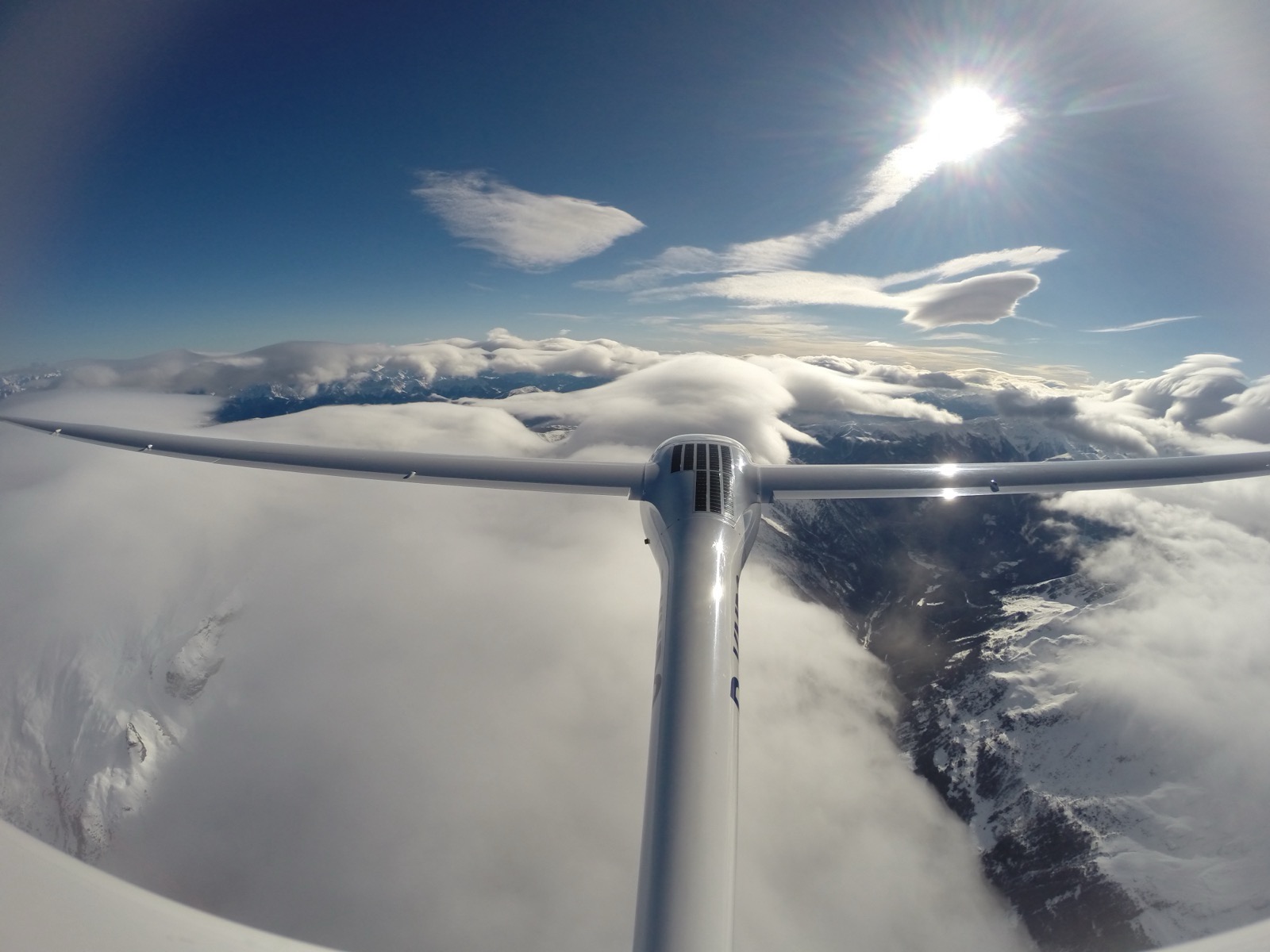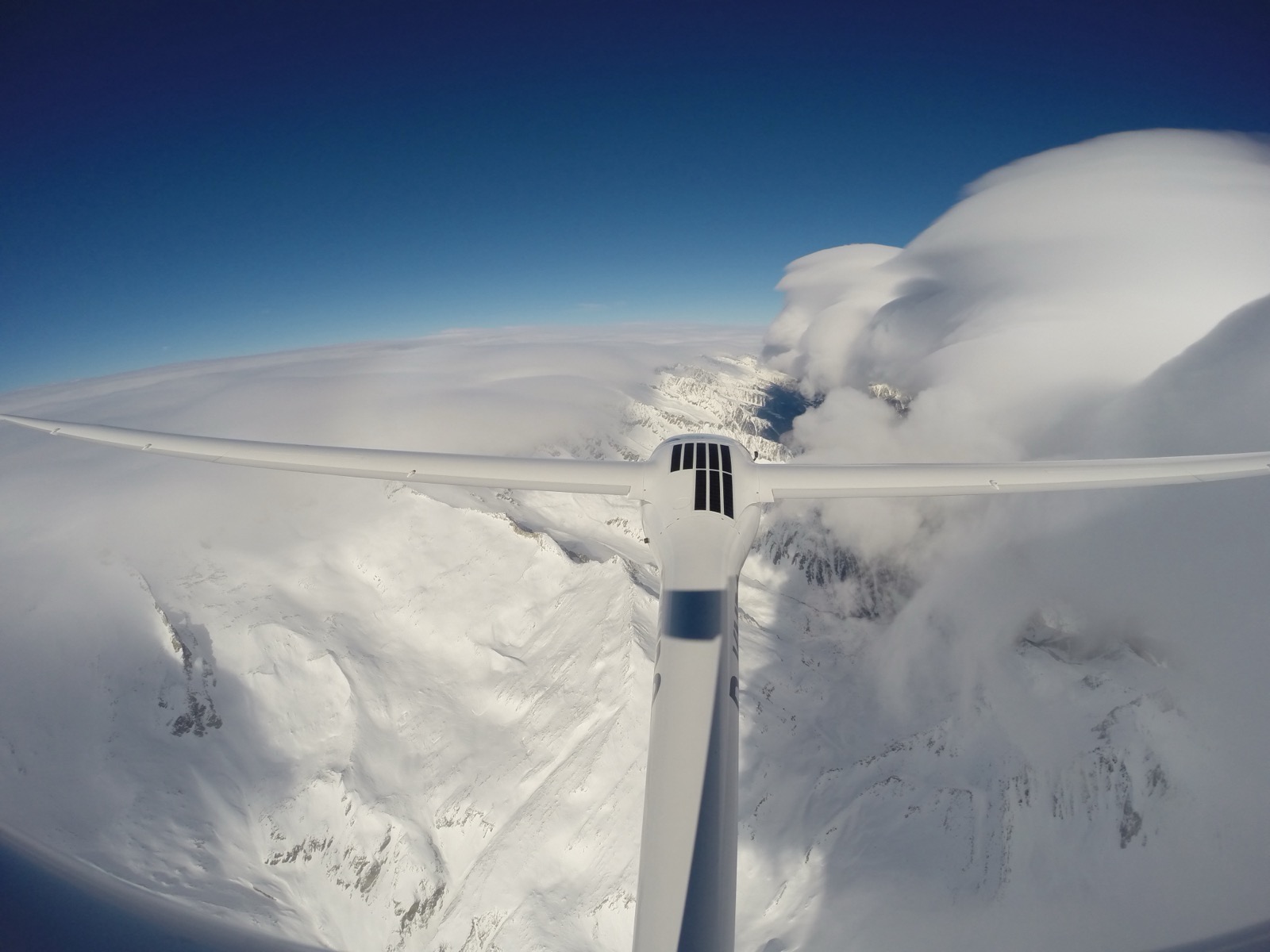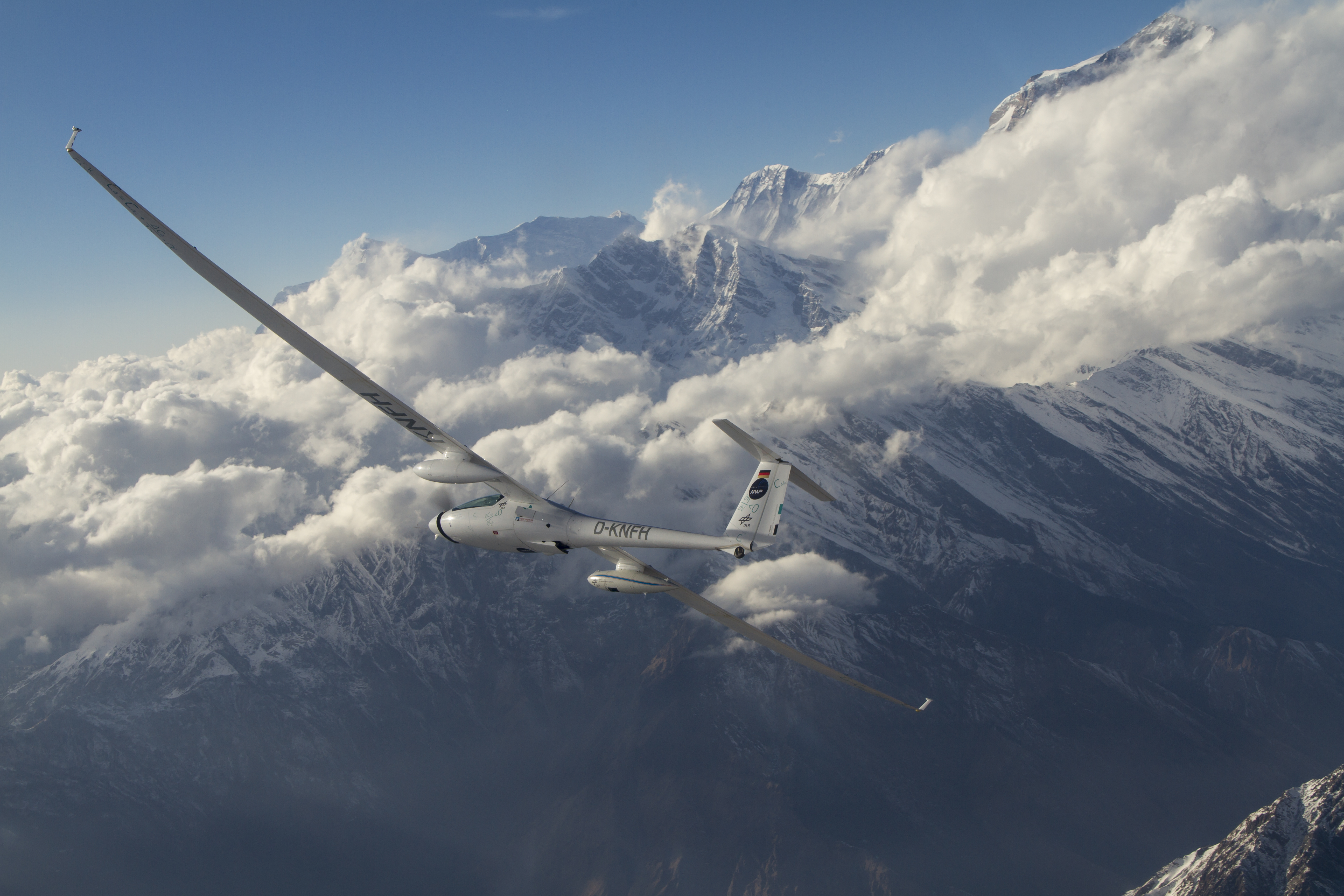
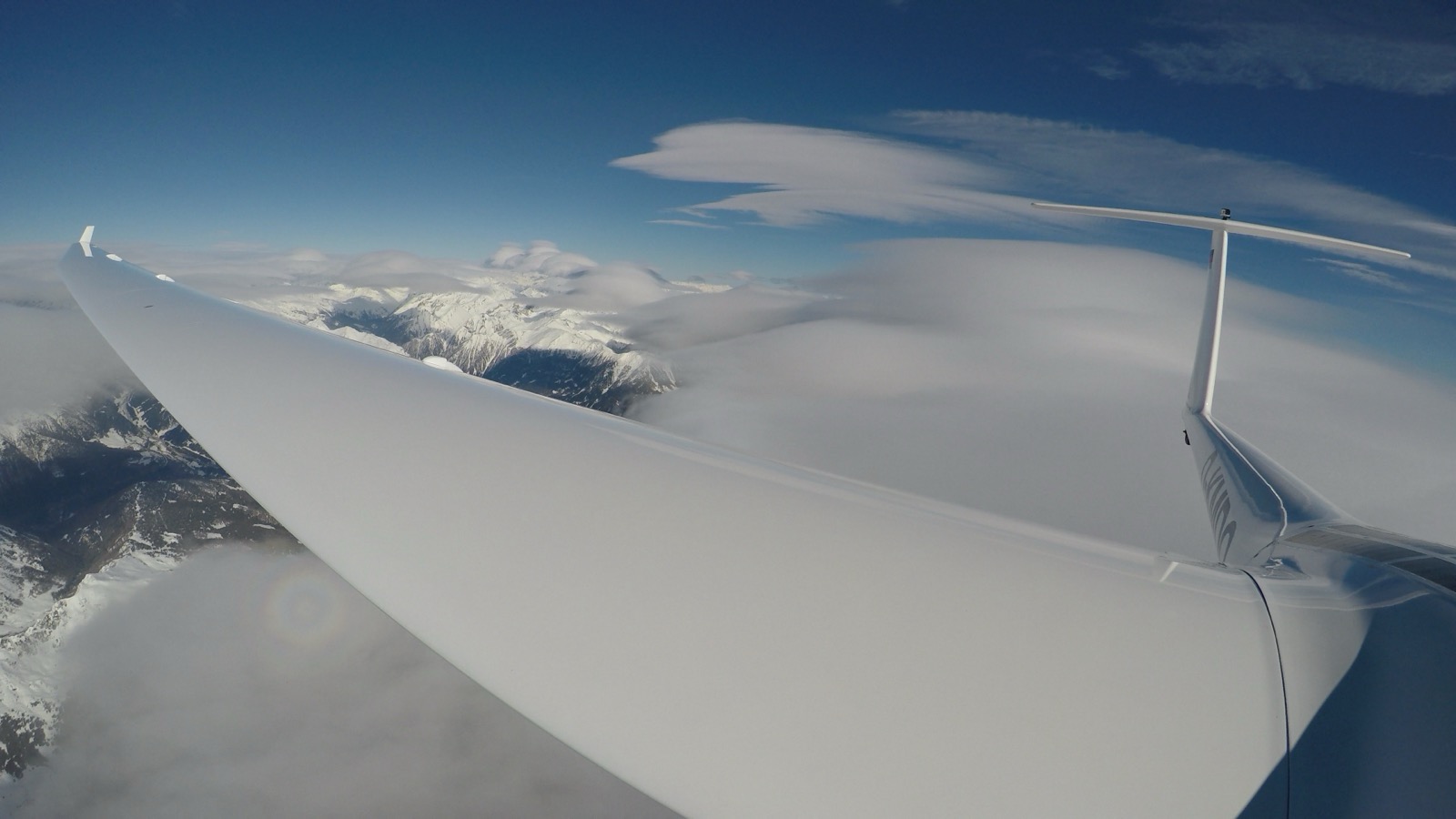
Glider wing high above a mountain range, lenticular wave clouds in the distance.

Mission window: June 2026

Trans-North America Mountain Wave Expedition 2026

From Nevada to Alaska — exploring the atmosphere's hidden highways.

Route
Minden, Nevada → Fairbanks, Alaska
Aircraft
One Stemme S10 and one Stemme S12 motorglider
Pilots
Klaus Ohlmann · Markus Lewandowski · Doug Easton · Antonio Sanchez

Mission overview

In June 2026, an international team of elite glider pilots will undertake a pioneering transcontinental research flight across North America, targeting one of the least explored atmospheric phenomena: mountain lee waves.

Led by world record holder Klaus Ohlmann and expedition pilot Markus Lewandowski, supported by pilots Doug Easton and Antonio Sanchez, the expedition launches from Minden, Nevada, traversing the Rocky Mountains, Wrangell Mountains, Alaska Range and the Brooks Range before reaching Fairbanks, Alaska.

The campaign combines extreme-performance soaring with cutting-edge atmospheric science.

Scientific context

The expedition is conducted under the framework of the Mountain Wave Project, an international research initiative dedicated to understanding atmospheric gravity waves and turbulence. These waves — generated when strong winds interact with mountain ranges — can propagate into the stratosphere, influencing:

  • Atmospheric circulation and climate
  • Turbulence hazards in aviation
  • Momentum and energy transfer in the upper troposphere

Mountain waves can produce vertical air movements exceeding several meters per second and reach altitudes above 10–12 km.

Research objectives

In collaboration with the University of Alaska Fairbanks, the expedition aims to:

  • Measure in-situ atmospheric parameters — 3D wind vectors, temperature, humidity, turbulence
  • Characterize mountain wave systems across multiple North American ranges
  • Investigate rotor zones and severe turbulence structures
  • Validate and improve mesoscale weather models
  • Develop predictive tools for aviation safety

The project builds on previous airborne measurement campaigns using instrumented motor gliders, which have proven highly effective as flexible research platforms.

Flight concept

The expedition leverages the unique capabilities of Stemme S10 and S12 motorgliders:

  • Self-launch capability for remote operations
  • Exceptional glide ratio and range
  • Ability to transition between powered cruise and pure soaring
  • Optimised for wave flying up to stratospheric altitudes

Flights will follow predicted wave corridors along major mountain systems, using advanced meteorological forecasting and real-time decision-making.

Team

Four pilots, two motorgliders, one continent.

Klaus Ohlmann, Lead Pilot

Klaus Ohlmann

Lead Pilot · GER
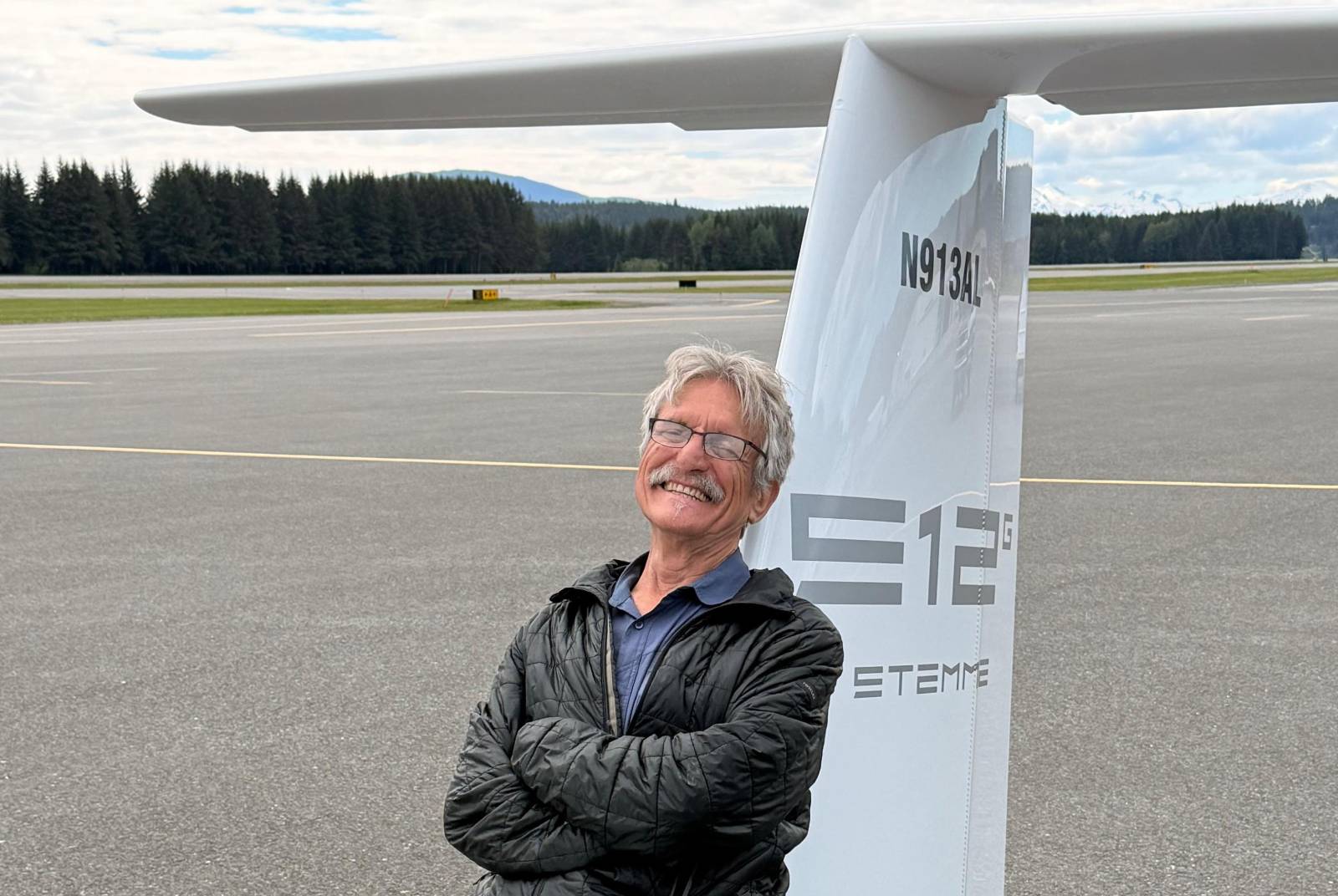
Doug Easton, Pilot

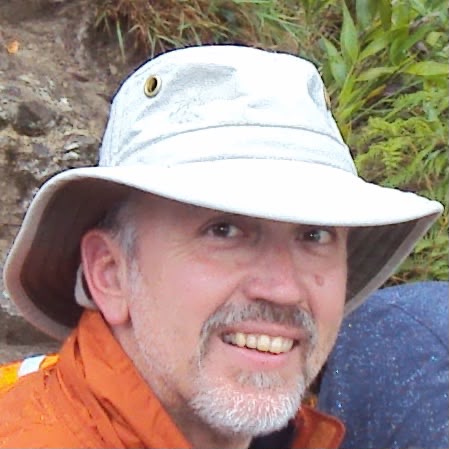
Doug Easton

Pilot · USA

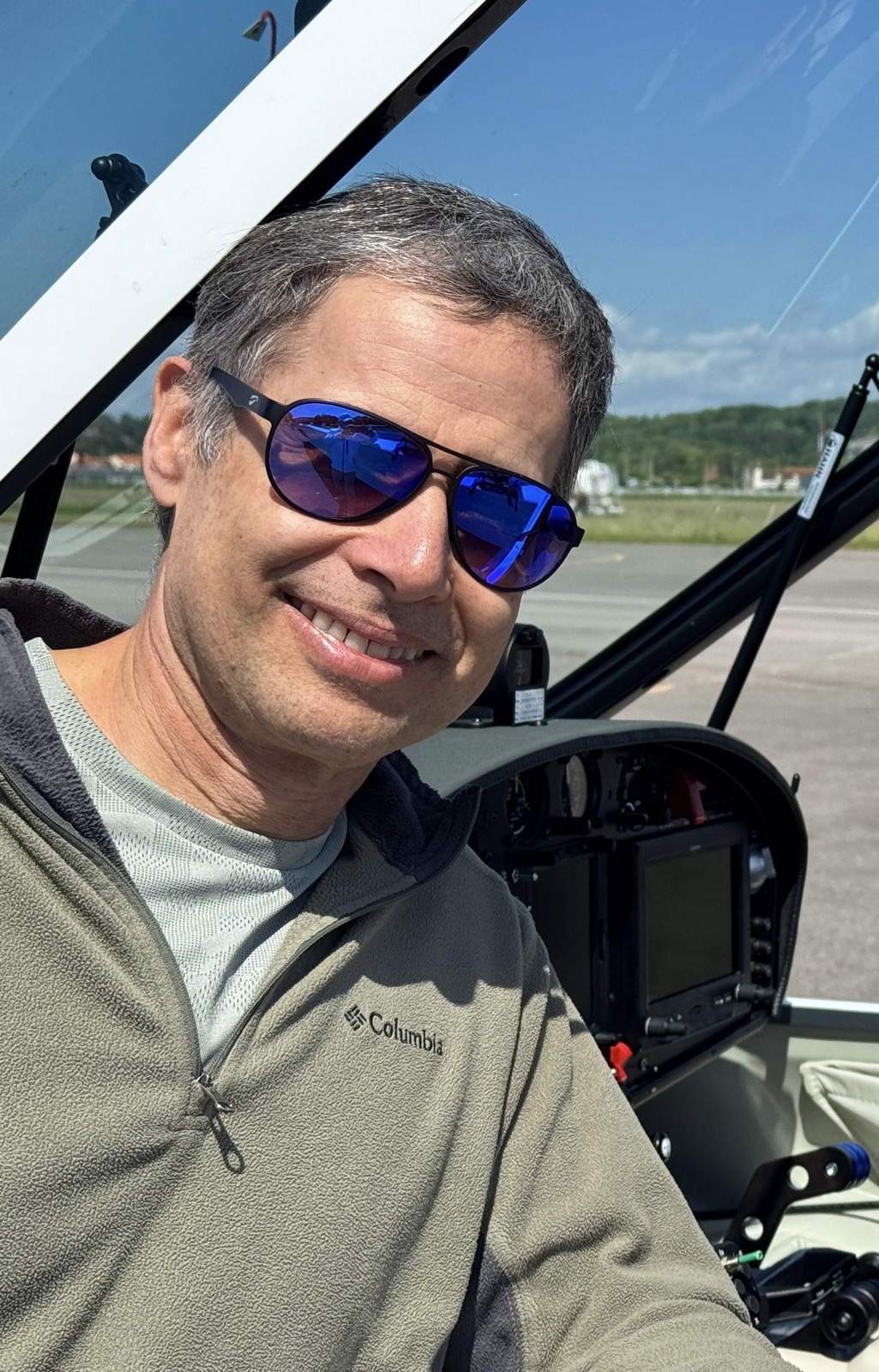
Antonio Sanchez, Pilot

Antonio Sanchez

Pilot · GUA

Impressions

From the field

Imagery from the expedition.

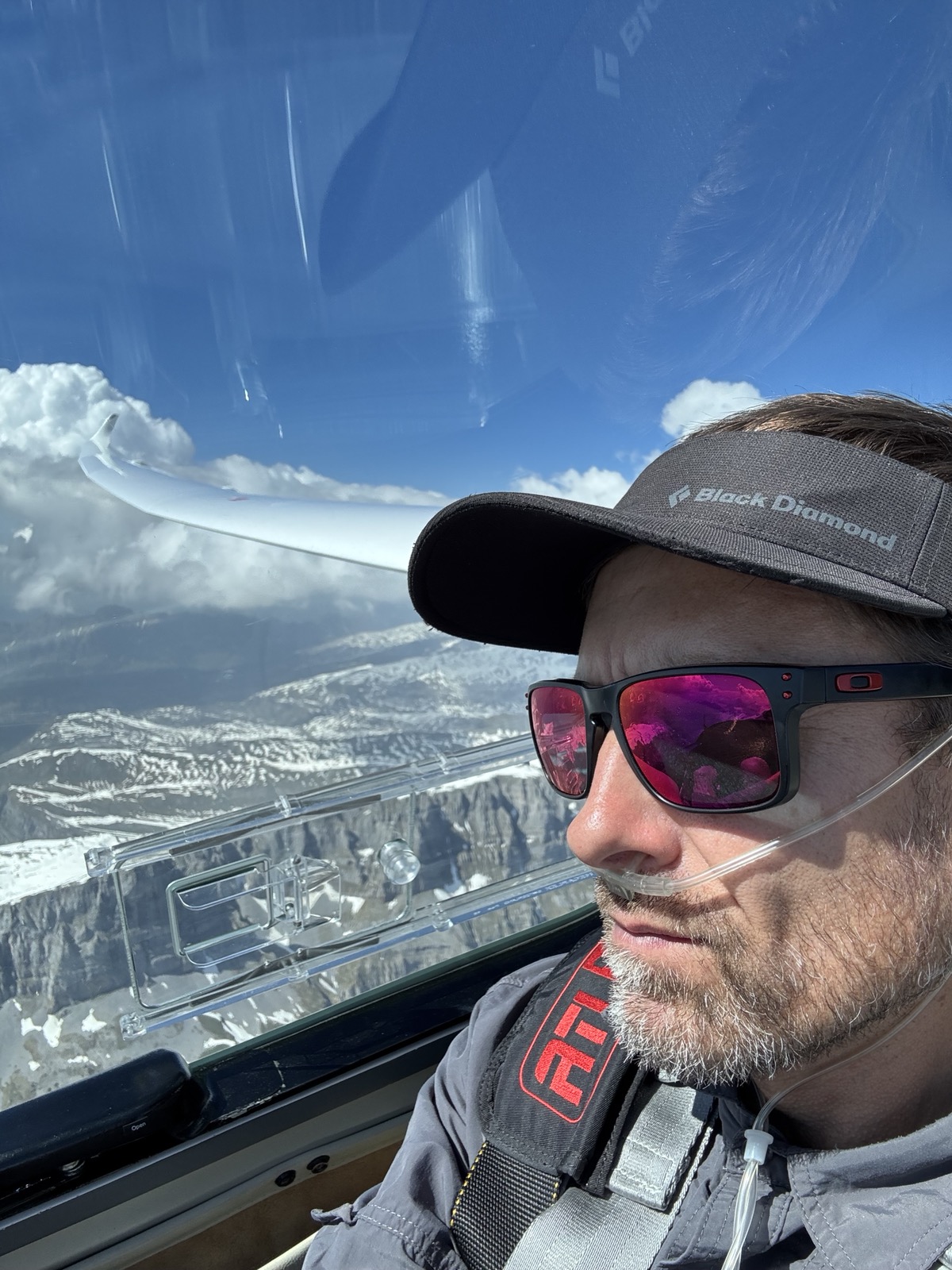
Mountain wave clouds seen from the cockpit of a sailplane.
Lenticular clouds towering above a snow-covered ridge.
Glider wing high above the mountains, wave clouds in the distance.
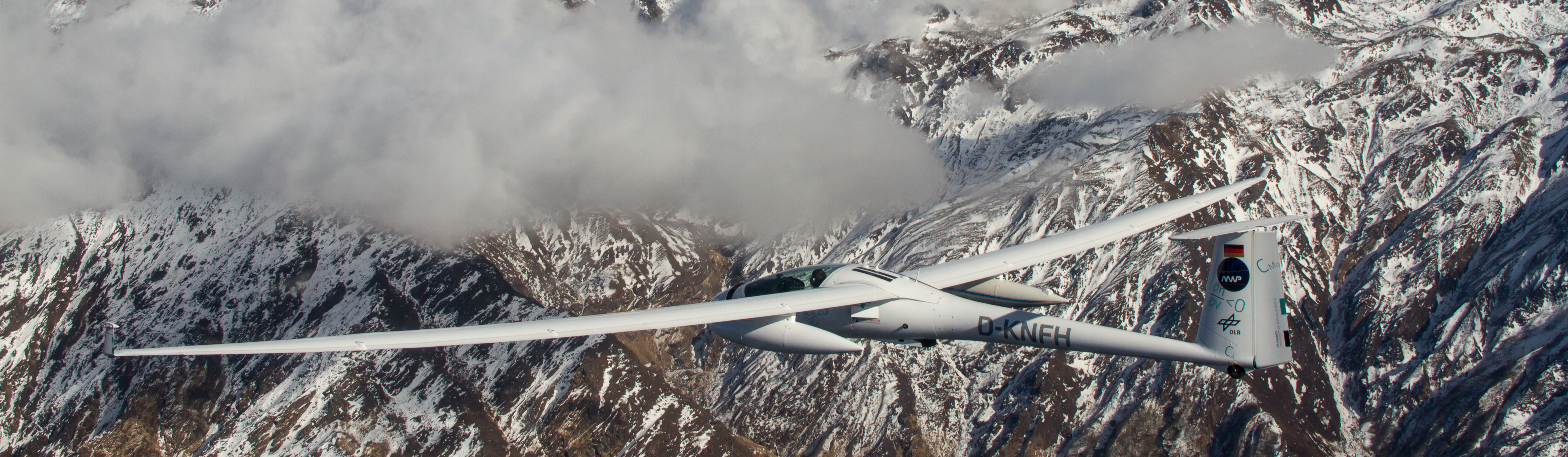
D-KNFH sailplane gliding past a snow-capped ridge.
D-KNFH sailplane seen from a chase aircraft over the mountains.

Mission updates

Expedition pilot Markus Lewandowski publishes in-flight imagery and field notes throughout the campaign at @mountain_soaring.

Project partners

The expedition is made possible by a coalition of scientific, industrial and soaring partners across four countries.

  • Mountain Wave Project logo
  • University of Alaska Fairbanks logo
  • Mountain Soaring Enterprise logo
  • Stemme USA logo

Why it matters

Innovation & significance

  • First systematic glider-based wave survey across North America
  • Integration of record-level soaring performance with scientific instrumentation
  • Expansion of global datasets on mountain wave phenomena
  • Contribution to aviation safety, particularly for commercial and high-altitude flight operations

Expected outcomes

  • High-resolution atmospheric datasets across remote regions
  • Improved understanding of lee wave generation in Arctic and sub-Arctic environments
  • Enhanced forecast models for turbulence and wave systems
  • Publications in atmospheric science and aviation safety journals

“Riding the invisible waves of the atmosphere — where exploration meets science.”